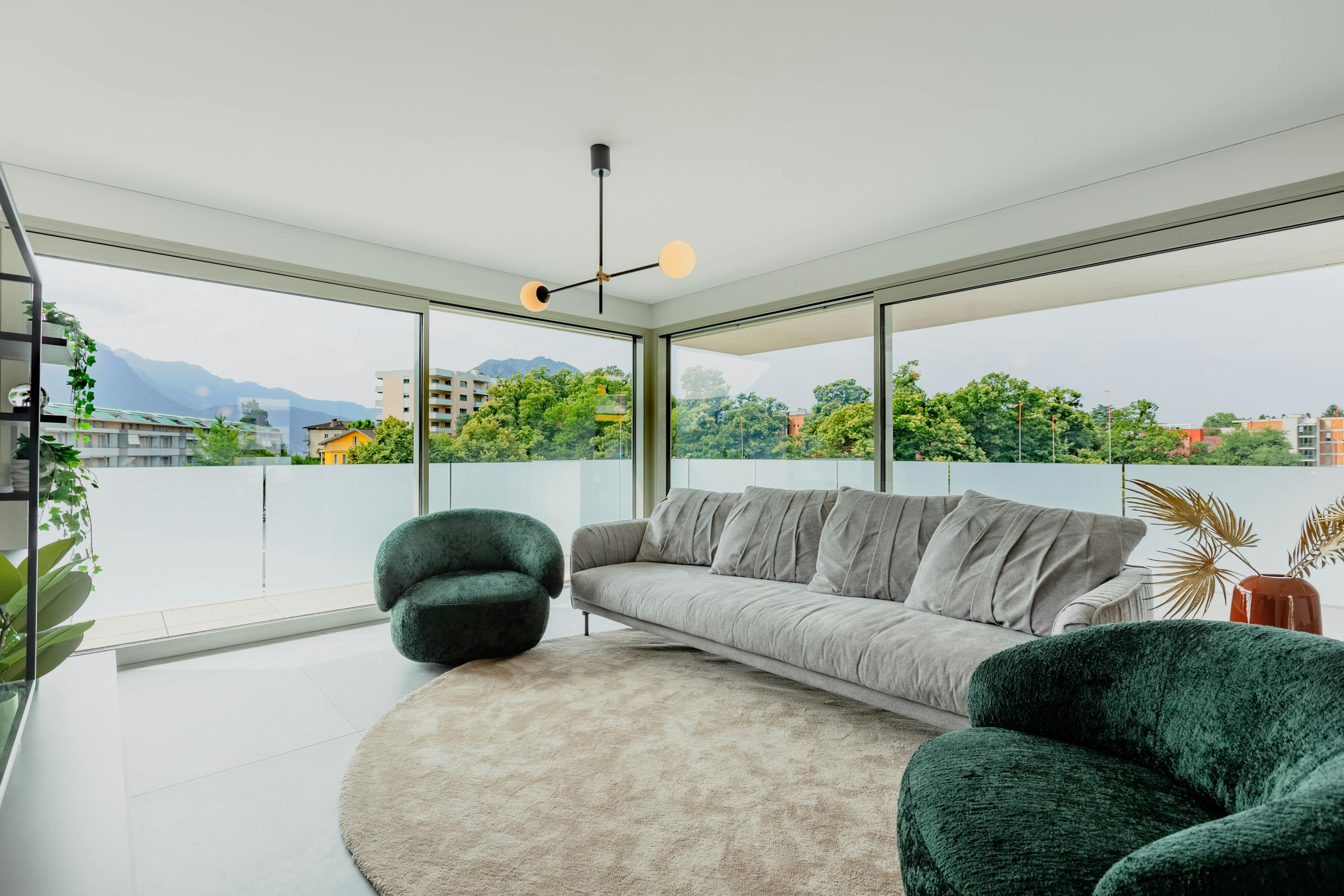
3-Season Rooms in Johnston County, NC
Introduction
3-season rooms in Johnston County NC are the sweet spot between a screened porch and a fully conditioned sunroom. It’s the space you actually use most of the year in Johnston County—spring, summer, fall, and a polite portion of winter—without paying to heat and cool the outdoors like you’re auditioning for a Duke Energy commercial.
If you live anywhere from Clayton to Smithfield, Selma to Benson, or out where the deer have better Wi-Fi than the cell towers, a 3-season room can give you the feel of indoor comfort with that “I’m outside but not getting eaten alive” vibe.
Let’s talk through what a 3-season room is, what it costs, what Johnston County permitting cares about, and how to design one that doesn’t turn into a humid greenhouse or a chilly glass box you regret.
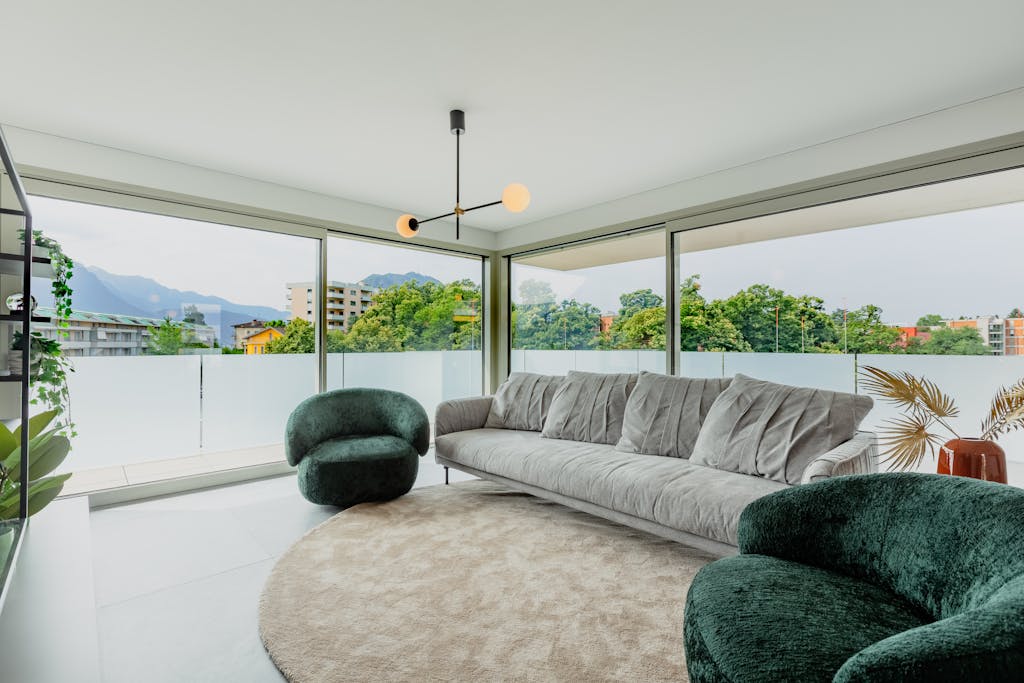
What Exactly Is a 3-Season Room?
A 3-season room is typically:
- Enclosed (often with large windows, vinyl panels, or porch enclosure systems)
- Not fully “conditioned” like your living room (usually no permanent HVAC tied into the home)
- Built for comfort in mild-to-warm weather, with shoulder-season usability
In practice, many Johnston County homeowners use it as:
- A breakfast nook with sunshine
- A hangout space during bug season
- A “watch the rain without being in it” room
- A dog’s personal kingdom (they’ll act like they paid for it)
Key difference vs. a 4-season room: a 4-season is built/insulated like a true addition and is intended for year-round heating and cooling. A 3-season is more about airflow, shade control, and flexible enclosure.
Why 3-Season Rooms in Johnston County, NC Make Sense
Johnston County weather is a full-contact sport: hot humid summers, mild springs/falls, and winter weeks that can’t decide if they’re serious. The result is a long “usable” outdoor season if you have shade and bug control.
And bugs? They’re not “a few mosquitos.” They’re an organized union.
A 3-season room lets you extend porch season while keeping:
- Mosquitos out
- Pollen mostly out (sorry—“mostly” is the best we can do)
- Summer sun from turning your space into a tanning salon
If you want climate context from official sources, NOAA’s climate normals and Weather.gov tools are useful references for typical conditions in our region.
Permits in Johnston County: Yes, They Matter (Even If Your Cousin Says Otherwise)
Here’s the straight talk: if you’re building or enclosing a structure, you’re in permit territory.
Johnston County Inspections spells out Residential Sun Room Addition Requirements and notes that requirements vary based on how the room is constructed—ground-up, built on an existing deck, or using an engineered pre-manufactured system.
They also outline Building Permit Requirements and what you generally need to provide (including zoning/land use documentation, and different steps depending on whether you’re inside a town/city or in ETJ).
Start your homework here:
- Johnston County Inspections – Plan Reviews & Permit Info
- Johnston County – Building Permit Requirements
- Johnston County – Residential Sun Room Addition Requirements
Important local nuance: If you’re inside municipal limits (Clayton, Smithfield, Selma, Benson, Four Oaks, etc.) or in an ETJ, you may need to coordinate with the town’s planning office for zoning/land use. Johnston County explicitly calls this out.
The Big Design Decisions (That Determine Whether You Love It or List Your House “With Regrets”)
1) Roof style and heat control
A 3-season room that faces afternoon sun can get toasty fast. The roof and glazing decisions matter more than fancy furniture.
Good options:
- Insulated roof panels (great for heat reduction)
- A solid roof tied into existing roofline
- Low-E windows or solar-control glazing (helps with summer heat)
2) Foundation: slab, footings, deck conversion, or engineered system
Your structure dictates permit complexity and cost:
- Build from the ground up: most flexible, often best long-term
- Convert an existing deck: can be efficient, but the deck must be structurally appropriate for enclosure loads
- Engineered pre-manufactured systems: fast and tidy when done right; still must meet code/permit expectations
Johnston County explicitly recognizes these as common construction methods.
3) Windows vs. screens vs. vinyl panels
This is where “3-season” really becomes your version of 3-season:
- Screen-heavy: best airflow, best for summer evenings, least “indoor”
- Vinyl window panels: cheaper than glass, decent flexibility, not as clear/insulated
- Glass windows: most comfortable and usable in spring/fall, higher cost
4) HVAC or no HVAC?
Many 3-season rooms skip permanent HVAC. If you want more comfort:
- Ceiling fan (near mandatory)
- Portable heater for chilly mornings
- Portable or window AC (depending on layout)
- Mini-split if you’re creeping toward 4-season expectations
Energy/code requirements can change depending on whether the space is treated as conditioned, thermally isolated, etc. The NC Residential Code includes specific energy-efficiency rules for sunrooms (fenestration U-factor/SHGC limits depending on type).
What Do 3-Season Rooms in Johnston County, NC Cost?
Pricing depends on size, structure, finishes, and how much glass you want.
Very broad local ballpark ranges (not a bid—don’t try to hold me hostage with this later):
- Basic screened-to-enclosed conversion: ~$15,000–$35,000
- Mid-range 3-season room (200–300 sq ft): ~$30,000–$65,000
- High-glass, upgraded roof, electrical, nicer finishes: ~$60,000–$120,000+
Cost drivers:
- Foundation work (footings/slab vs. reusing deck)
- Roofing complexity
- Window package (this one gets people)
- Electrical, lighting, and permits/inspections
- Insulation upgrades and interior finishing
Pro tip: If you’re planning to sell within a few years, keep the finish level consistent with the rest of the home. A luxury room glued onto a starter home can be like putting chrome rims on a lawn mower—technically impressive, emotionally confusing.
Planning Tips for Johnston County Homeowners
Choose the right orientation
- South/west exposure = more heat gain
- North/east exposure = cooler, softer light
If you can’t change orientation, change the glazing and add shade.
Manage moisture like an adult
Humidity is a feature here, not a bug.
- Use moisture-resistant flooring
- Plan airflow (fans, operable windows)
- Avoid carpet (unless you enjoy mildew as a hobby)
Think through how you’ll actually use it
Ask:
- Is this for dining?
- TV room?
- Morning coffee?
- Kid chaos containment chamber?
Your layout decisions will change electrical needs, lighting placement, outlets, and window locations.
Don’t ignore permitting (seriously)
Johnston County provides public guidance on sunroom addition requirements and permit steps—use it early so you don’t redesign midstream.
Resale Value: Will It Pay Off?
A well-built 3-season room can boost appeal and perceived livable space—especially for buyers who want outdoor living but hate bugs (so… most humans).
Two cautions:
- Appraisal treatment varies depending on whether it’s conditioned, permitted, and finished like the rest of the home.
- Permits matter for buyer confidence and for avoiding last-minute negotiation drama.
Translation: build it right, permit it properly, and you’ll be smiling later.
Quick FAQs (Because Everyone Asks)
Is a 3-season room the same as a sunroom?
People use the terms loosely. In code/permitting discussions, “sunroom” can have specific definitions and energy requirements depending on how it’s built and whether it’s conditioned.
Do I need a permit in Johnston County?
For structural additions/enclosures, you should expect permitting and inspections to apply. Johnston County has explicit permit requirements and sunroom guidance.
Can I build it on my existing deck?
Sometimes, yes—if the deck structure is suitable for the new loads and meets requirements. Johnston County specifically lists construction on an existing structure (like a deck) as a common method, with requirements depending on construction type.
What’s the best flooring?
Porcelain tile, LVP rated for temperature swings, or sealed concrete are common winners. The “best” option is the one that doesn’t warp, swell, or grow its own ecosystem.
The Bottom Line
A 3-season room is one of the most satisfying upgrades you can make in Johnston County—because it matches how we actually live here: we want outdoor light and fresh air, but we’re not volunteering as mosquito snacks.
Do it thoughtfully:
- Plan for sun + humidity
- Choose the right enclosure system
- Follow Johnston County’s permitting guidance early
- Build for how you’ll use it, not for Pinterest fantasies

Don’t Waste Time And Money On DIY’s.
Let Us Do The Heavy Lifting.