Top 10 Bathroom Remodeling Mistakes (And How to Avoid Them)
Introduction
Bathroom remodeling can dramatically transform the look, comfort, and resale value of your home. But a poorly planned renovation can just as quickly turn into a stressful, over‑budget disaster. The good news? Most costly bathroom remodeling mistakes are avoidable — if you know what to look for.
In this guide, we’re breaking down the Top 10 Bathroom Remodeling Mistakes and giving you tactical strategies to avoid them — so your next remodel is smoother, faster, and more profitable.
1. Skipping a Detailed Budget
Why It’s a Problem
Underestimating costs is one of the most common pitfalls in bathroom remodeling. Small bathrooms average $20,000–$30,000+ depending on finishes and scope, and expenses can escalate quickly once demolition begins. Unexpected issues like water damage or outdated wiring can blow your budget if you aren’t prepared.
How to Avoid It
- Build a detailed budget with categories, including plumbing, materials, fixtures, labor, permits, and a contingency of 15–20%.
- Prioritize what matters most (e.g., luxury tile vs. upgraded plumbing).
🔗 Helpful budgeting tool: HomeAdvisor’s Bathroom Remodel Cost Guide
(https://www.homeadvisor.com/cost/bathrooms/remodel-a-bathroom/)
2. Choosing Style Over Function
Why It’s a Problem
A bathroom should be beautiful — but functional first. Focusing too much on aesthetics like trendy tile or custom vanities can lead homeowners to overlook practical elements like storage, lighting, and ventilation.
How to Avoid It
- List your must‑have functions:
- Storage for linens and toiletries
- ADA‑friendly design if needed
- Easy‑clean surfaces
- Invest in proper lighting layers (ambient, task, accent).
- Make circulation clear — can two people comfortably move around?
🔗 Design inspiration that balances style and function: Houzz Bathroom Ideas
(https://www.houzz.com/photos/bathroom)
3. Not Planning for Lighting Properly
Why It’s a Problem
Bathrooms with only overhead lighting often end up dim, shadowy, and unflattering. Poor lighting makes daily routines like shaving or makeup difficult.
How to Avoid It
Use a layered lighting plan:
- Ambient lighting — overall illumination
- Task lighting — around mirrors (ideal: vertical fixtures on either side)
- Accent lighting — highlights architectural features or niches
- Don’t forget dimmer switches to adjust brightness.
4. Ignoring Ventilation
Why It’s a Problem
Moisture buildup leads to mold, mildew, and damaged paint or cabinetry. Many homeowners underestimate how vital ventilation is — especially in smaller bathrooms.
How to Avoid It
- Install an exhaust fan rated for your bathroom’s square footage — check the CFM rating (cubic feet per minute).
- Vent the fan to the exterior, not the attic.
- Choose a quieter model — long‑term enjoyment matters more than you think.
🔗 How to size your bathroom fan properly: Energy.gov Bathroom Ventilation Guide
(https://www.energy.gov/energysaver/bathroom-ventilation)
5. Improper Layout & Space Planning
Why It’s a Problem
Too often homeowners try to fit everything into a small footprint without caring about circulation or clearances. Toilets too close to vanities, doors that hit towel racks, or cramped shower entries are all common issues.
How to Avoid It
- Follow minimum space standards (e.g., 21″ in front of toilet/fixtures).
- Use online tools like RoomSketcher or graph paper to sketch your layout to scale.
- Consider repositioning plumbing if it dramatically improves the flow — sometimes the upfront cost pays off in usability.
🔗 Sketch & plan: RoomSketcher Bathroom Planner
(https://www.roomsketcher.com/bathroom-planner/)
6. Selecting Cheap Materials That Don’t Last
Why It’s a Problem
Cutting costs on critical materials (tile, grout, fixtures, water‑resistant drywall) might seem like savings — but poor durability means repairs sooner than later.
How to Avoid It
- Choose moisture‑resistant materials:
- Cement backer board instead of standard drywall
- Porcelain tile with a low water absorption rating
- Grout sealer to protect joints
- Don’t skimp on plumbing fixtures — leaks from cheap valves can cost more over time.
7. Misunderstanding Plumbing Limitations
Why It’s a Problem
Moving fixtures like toilets and showers is expensive because it often requires rerouting water and waste lines. Many homeowners dream of relocating plumbing without realizing the labor cost.
How to Avoid It
- Plan remodels that work within the existing plumbing layout when possible.
- If relocating fixtures is essential, budget extra for plumbing and potentially structural work.
- Ask your contractor for rough‑in diagrams to visualize space.
8. Overlooking Storage Needs
Why It’s a Problem
Vanity drawers and medicine cabinets are standard, but homeowners often forget practical storage for towels, cleaning supplies, and personal items — leading to clutter.
How to Avoid It
- Add built‑in niches in shower walls for toiletries.
- Choose a tall linen cabinet if space allows.
- Use drawer organizers and hidden storage to maximize space without visual clutter.
9. Poor Tile Installation
Why It’s a Problem
Tile that’s poorly planned or installed will crack, get uneven grout lines, or look misaligned — all of which are expensive to fix.
How to Avoid It
- Work with a licensed tile professional with a portfolio of bathroom work.
- Choose tile sizes appropriate to the space — larger tiles can make small bathrooms look bigger.
- Plan patterns ahead of time — don’t let installers freestyle it unless you trust their vision.
10. Not Investing in a Good Contractor
Why It’s a Problem
This might be the biggest mistake of all. DIY or choosing the cheapest bid often results in delays, code issues, and poor installation quality.
How to Avoid It
- Look for contractors with positive online reviews, proper licensing, and insurance.
- Ask for before & after photos of past work.
- Get a written contract with a clear scope, timeline, payment schedule, and warranty terms.
👉 Ideally, your contractor should also help with permit pull‑through, subcontractor management, and inspection prep.
Bonus Tips: Small Bathroom Success Strategies
Here are a few extra tactics that can make a big difference, especially in tight spaces:
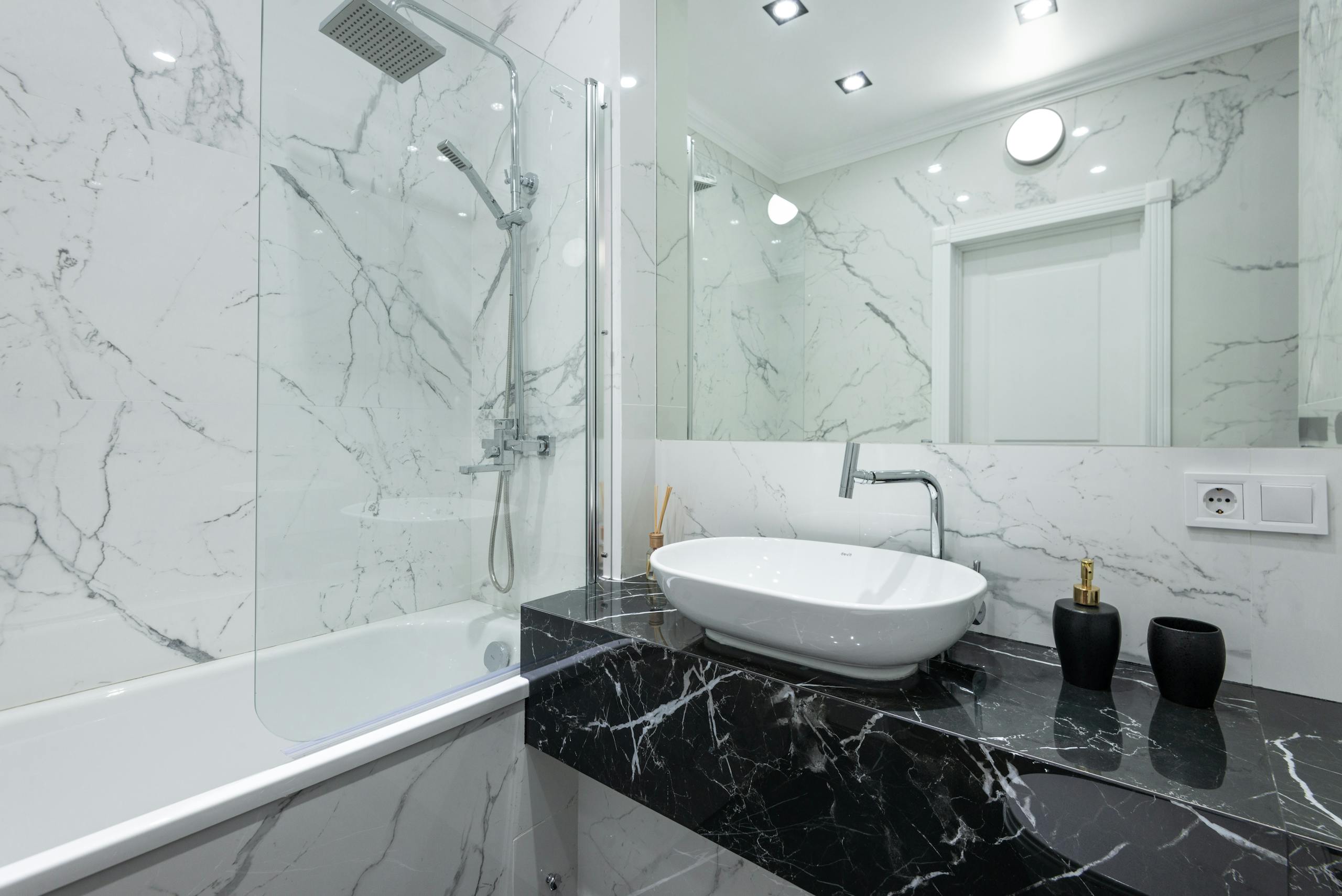
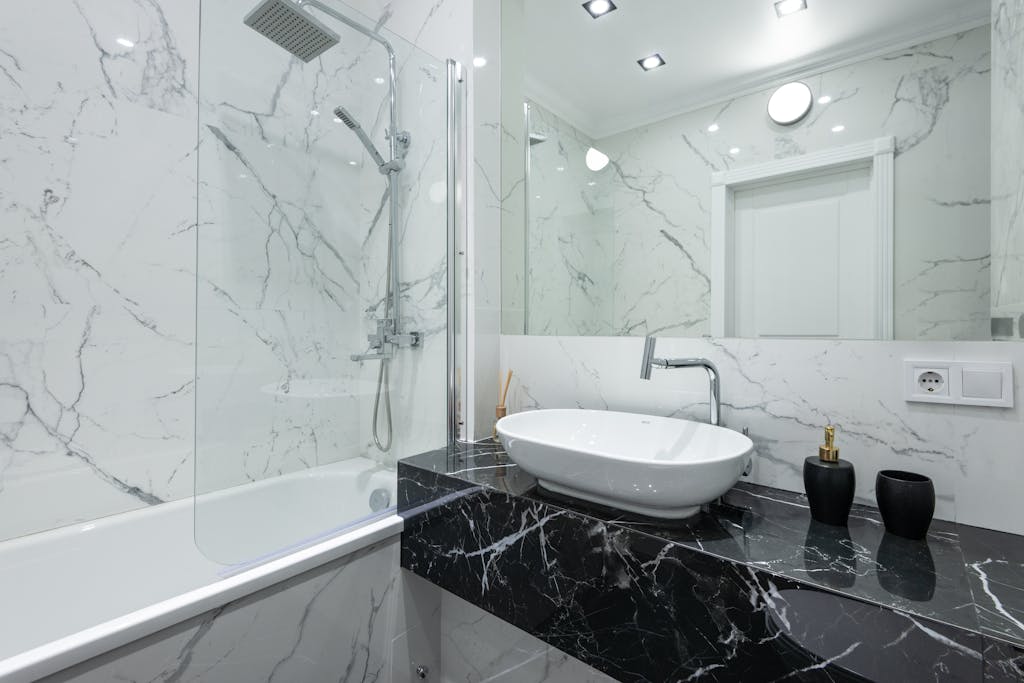
➤ Use Glass Shower Doors
Glass creates visual openness, making small bathrooms feel larger.
➤ Light Colors & Reflective Finishes
Palettes of white, light gray, and pastels bounce light and increase perceived space.
➤ Floating Vanities
These create floor space illusion and make cleaning easier.
➤ Pocket Doors
If your bathroom door swings into the room, it eats usable space. A pocket door can save valuable inches.
Bathroom Remodeling FAQs
How long does a bathroom remodel take?
Standard remodels usually take 3–6 weeks depending on scope. Structural changes or custom work can add time.
Do I need permits?
Yes — for plumbing, electrical, and structural changes. Your contractor should handle permit applications and inspections.
What’s a realistic budget?
Expect mid‑range remodels in Wake and Johnston counties to land in the $25,000–$50,000 range, depending on materials and layout changes.
Final Thoughts
Bathroom remodeling should be an exciting upgrade — not a headache. By planning thoroughly, prioritizing function, and working with experienced professionals, you avoid common pitfalls and end up with a bathroom that’s beautiful and built to last.
If you’re ready to start planning your bathroom remodel with a team who knows how to avoid these costly mistakes, let’s talk next. We specialize in turn‑key projects that hit budgets, timelines, and design goals without compromise.
Whats keeping you from realizing your dream space?