Bathroom Remodeling In Johnston County: A Step By Step Guide
Introduction
Bathroom remodeling in Johnston County is one of the most impactful home improvements you can make — boosting daily comfort, modernizing your space, and adding real value to your home. But for many homeowners, the process can feel overwhelming without a clear roadmap. From defining goals to final inspections, this guide walks you through each critical step so your bathroom transformation is smooth, stress‑free, and a success.
Whether you’re in Smithfield, Clayton, Benson, or Willow Spring, these steps will help you stay organized, make smarter decisions, and avoid common remodeling pitfalls.
1. Define Your Goals & Vision
Before you hire anyone or spend a dime, take time to clarify why you’re remodeling:
- Are you modernizing an outdated space?
- Do you need better storage?
- Is the layout functional for your family’s needs?
- Are you planning to sell your home soon?
Write down your must‑have features (walk‑in shower, double vanity, heated floors) and your nice‑to‑have features. This helps focus your project priorities, control costs, and guide design decisions.
Pro Tip:
Collect inspiration from magazines, Pinterest boards, and local showrooms — but stay realistic about what fits your space and budget.
2. Establish a Realistic Budget
A major remodeling mistake is starting without a clear budget plan. Bathroom remodeling in Johnston County can range widely in cost depending on size, materials, and scope. National averages suggest that even modest remodels can run into the tens of thousands of dollars, especially when factoring in labor, fixtures, and plumbing updates. The Spruce
Budget planning should include:
- Labor costs (contractor, plumber, electrician)
- Materials (tile, cabinetry, countertops)
- Fixtures (toilet, sink, shower, lighting)
- Permits and inspections
- Contingency fund (15–20% of total budget for unexpected issues)
Setting a clear budget up front helps you avoid mid‑project scope changes that drive costs up.
3. Assess the Space & Layout
Measure your existing bathroom space accurately:
- Walls, doorways, and ceiling height
- Windows and plumbing access
- Ventilation and electrical layout
- Storage needs
Consider whether you want to keep the existing layout or reconfigure the space. Moving plumbing lines or changing the position of fixtures can significantly increase labor and material costs, so weighing functionality against cost is crucial.
4. Know the Local Permits & Building Codes
In Johnston County, remodeling projects that involve structural changes, plumbing, electrical, or mechanical work typically require a permit. Johnston County+1
Here’s what you need to know:
- Remodels involving changes to plumbing, electrical, or load‑bearing walls will require review and approval from Johnston County Building Inspections. Johnston County
- Cosmetic work like painting or replacing fixtures in the same locations may not require a permit — but it’s best to double‑check. Johnston County
- A zoning or land use permit may also be part of the process before applying for building permits. Johnston County
Steps for permits:
- Verify if your project needs a permit.
- Prepare and submit application forms.
- Include site plans and construction drawings as required.
- Wait for approval before starting construction. Johnston County
Local Tip:
If you live in one of the municipalities within Johnston County (like Smithfield), you may need to start with a zoning permit before the county building permit. Smithfield NC
5. Hire the Right Team
Unless your remodel is very small or purely cosmetic, it’s smart to work with experienced professionals:
- General contractor
- Licensed plumber
- Licensed electrician
- Designer (optional but helpful)
Get multiple bids and check references. A good contractor will help refine your ideas, suggest alternatives, and manage scheduling and inspections — which is especially helpful for navigating permitting and inspections in Johnston County.
6. Finalize Design & Materials
Once you’ve set goals, budget, and team, finalize your design choices:
Key decisions include:
- Vanity style and size
- Countertops (quartz, granite, etc.)
- Shower or tub selection
- Tile for floors and walls
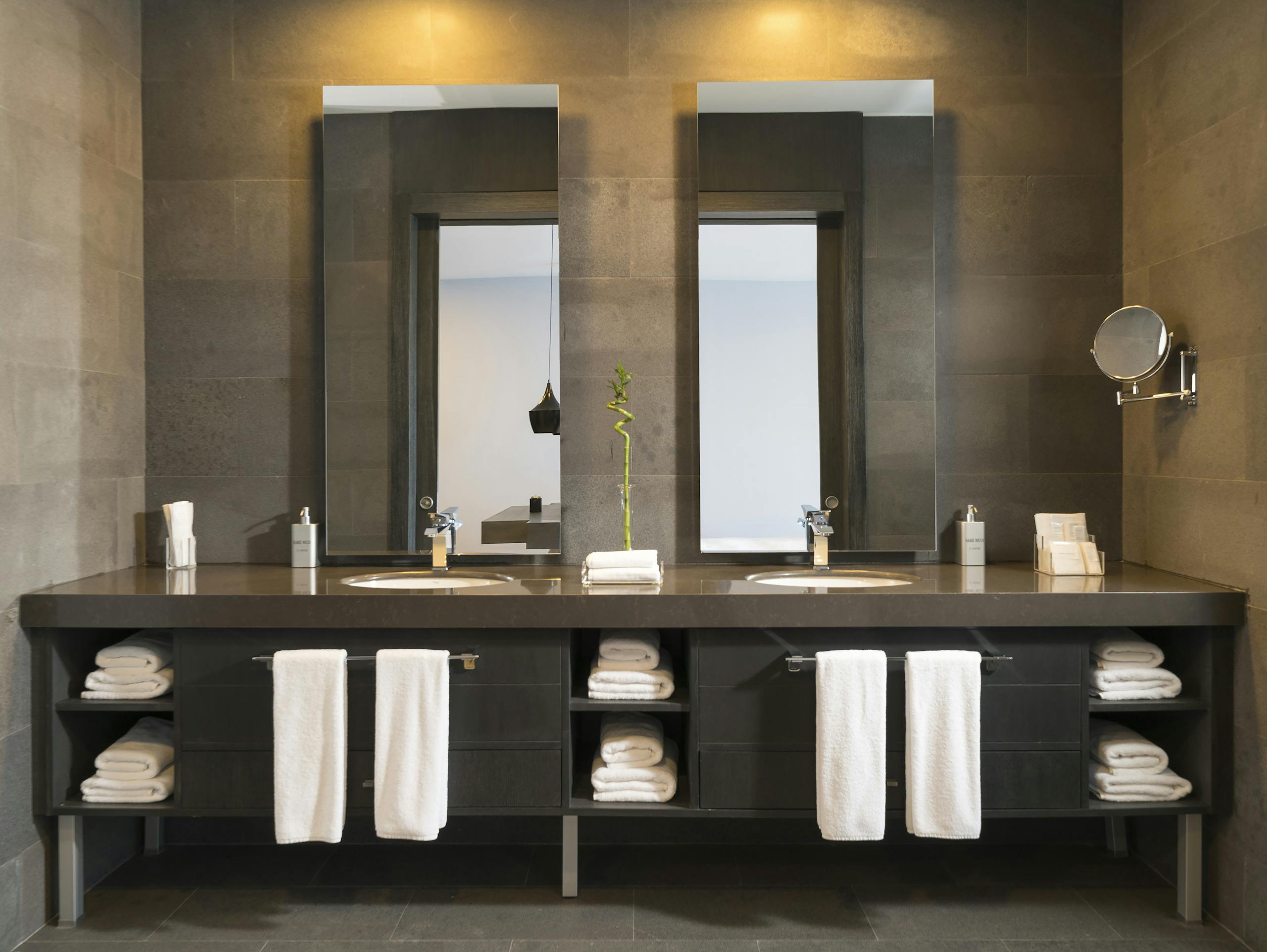
- Lighting and mirror styles
- Fixtures and finishes (faucets, towel bars)
- Paint color and moisture‑resistant materials
Consider both aesthetics and durability — bathrooms deal with moisture, so choose water‑resistant materials that are easy to maintain.
7. Order Materials & Set Timelines
Before demolition begins, ensure all long‑lead items are ordered:
- Custom cabinetry
- Specialty tile
- Custom mirrors or lighting fixtures
Delays often happen because homeowners wait until after demolition to order these items. Setting the timeline and ordering early keeps the project flowing smoothly.
8. Prepare the Home & Demolition
Before construction:
- Clear out the bathroom and adjacent areas.
- Protect floors in hallways and entry points.
- Set up temporary bathroom arrangements if needed during construction.
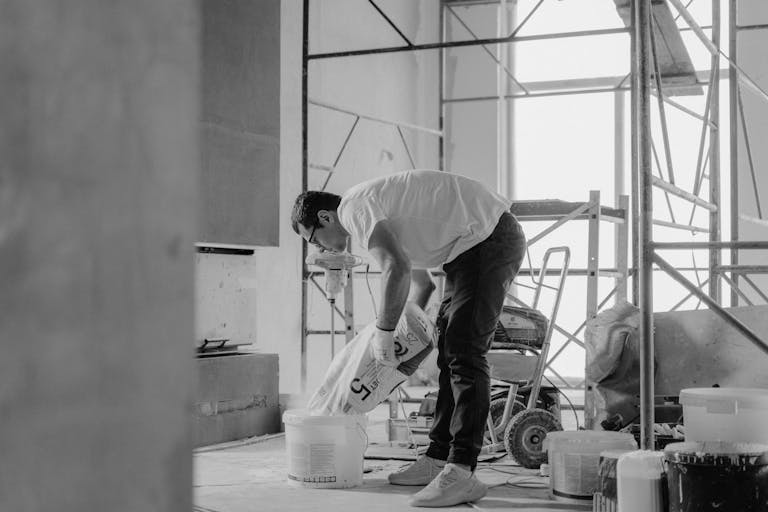
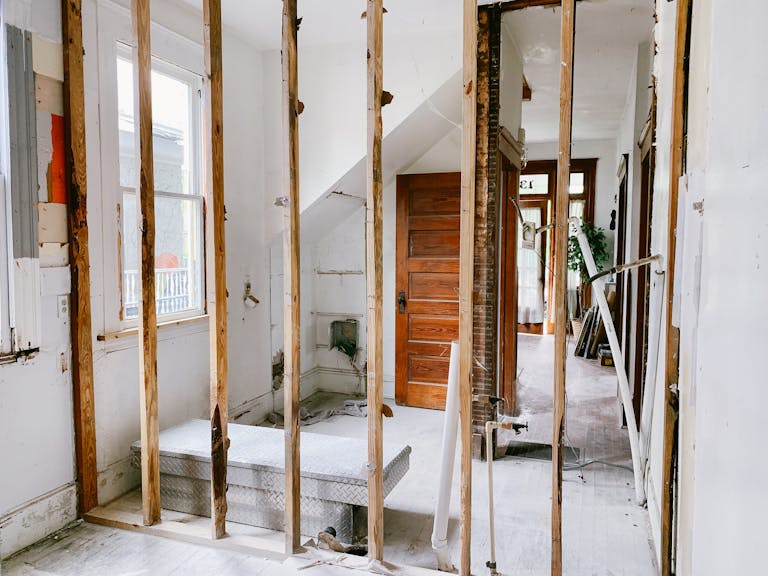
Once ready, the demolition phase begins. This typically involves removing old fixtures, tile, drywall, and sometimes subflooring lasting 1–3 days, depending on the scope.
9. Plumbing, Electrical & Framing Work
With the space cleared:
- Rough‑in plumbing is installed or repositioned.
- Electrical wiring is updated for lighting, outlets, and ventilation.
- Structural framing changes are made as needed.
This phase exposes hidden issues like water damage or outdated wiring — which is why the contingency budget is essential.
10. Inspections & Code Compliance
Your contractor should schedule required inspections with Johnston County Building Inspections as work progresses. These typically include:
- Framing inspection
- Plumbing and electrical inspections
- Final inspection before completion
Passing inspections ensures your remodel meets North Carolina building codes and protects your home’s value and safety.
11. Install Tile, Fixtures, & Finishes
Once the rough work is approved:
- Install flooring and wall tile
- Set vanities, sinks, toilets, and showers/tubs
- Install lighting and ventilation fans
- Finish plumbing and electrical trim work
This is when your design vision starts coming to life — take time to review each detail with your contractor as it’s installed.
12. Paint, Caulk & Final Details
After fixtures and tile are in place:
- Paint walls with moisture‑resistant paint
- Apply caulk around tubs, showers, and sinks
- Install accessories like towel bars, shelves, and mirrors
This finishing phase makes a huge visual difference and ensures a polished result.
13. Final Inspection & Walk‑Through
Before you fully close out the project:
- Walk through with your contractor
- Create a list of any punch list items (minor fixes)
- Schedule final inspection with the county, if required
This ensures all work is complete, code compliant, and finished to your standards.
14. Enjoy Your New Bathroom
At last — it’s time to enjoy your newly remodeled bathroom! Whether you added function, luxury, or efficiency, a well‑executed renovation will make your daily routine more enjoyable and increase your home’s appeal.
Tips for a Successful Johnston County Remodel
Plan Early for Permits
Start the permitting process early — it can take several weeks from submission to approval, especially if structural or plumbing changes are involved. Johnston County
Keep Communication Open
Set expectations with your contractor about updates, timelines, and change orders. Clear communication prevents delays and surprises.
Focus on Quality Materials
Investing in quality materials may cost more upfront but reduces maintenance and improves longevity.
Expect the Unexpected
Older homes can hide surprises like water damage or outdated wiring — that’s what your contingency fund is for.
Conclusion
Bathroom remodeling in Johnston County can be a rewarding transformation when approached with clarity, planning, and the right team. From budgeting and permitting to construction and final finishes, each step builds toward a successful project that adds comfort, style, and value to your home.
With this step‑by‑step roadmap, you’ll be better prepared to tackle your bathroom remodel confidently and efficiently — and enjoy a beautiful, functional space you’ll use every day.
Whats keeping you from realizing your dream space?