
General Contractor in Johnston County: Why Having A Professional Matters
Introduction
If you own a home in Johnston County — whether in Smithfield, Clayton, Benson, Selma, or another local community — and you’re thinking about renovations, additions, or repairs, working with a full‑service general contractor can be the smartest, most efficient decision you make. This post explains what sets a general contractor in Johnston County apart, what services they offer, why region-specific knowledge matters, and how to choose the right partner for your project.

What a General Contractor Does — Beyond Swinging a Hammer
At its core, a “general contractor” — sometimes also called a “home remodeling contractor” — is a one‑stop project manager for your construction or renovation project.
Here’s a breakdown of typical services a serious general contractor should provide:
- Initial consultation & design guidance. They help you refine what you want: whether it’s a kitchen remodel, new deck, bathroom upgrade, or full‑home renovation. They’ll give feedback on layout, materials, and functionality based on your lifestyle and budget.
- Comprehensive quoting. Instead of piecing together costs from separate trades, the contractor will provide a unified bid that includes materials, labor, permit fees, subcontractor costs, and other expenses — giving you clarity upfront.
- Permits & code compliance. From building permits to inspection scheduling and compliance with local building codes: a good contractor handles all of it.
- Project scheduling and coordination. Managing subcontractors (electricians, plumbers, carpenters), ordering materials, scheduling inspections — so the job stays on track and avoids costly delays.
- Quality control and oversight. Ensuring safety, workmanship standards, and that the finished product meets or exceeds expectations.
- Clean‑up and project closeout. Final walkthroughs, punch‑lists, addressing any remaining issues, and handing the project over to you in move‑in ready condition.
By handling all these moving parts, a general contractor lets you avoid the headache of being your own project manager — especially if you don’t have the time, expertise, or desire to coordinate multiple trades.
Why Local Matters — The Advantage of a General Contractor in Johnston County
Choosing a contractor based near you — operating within Johnston County and the greater Triangle region — offers distinct advantages you won’t get with a distant “nationwide” firm:
Knowledge of Local Building Codes & Permitting
Every county has quirks: unique permit requirements, inspection timelines, zoning regulations, and building codes. A contractor local to Johnston County already knows what paperwork needs to be filed, which inspectors to call, and what kind of plans are likely to pass quickly. That reduces risk of delays, costly rework, or failed inspections.
Climate‑ and Region‑Aware Construction
Central NC homes face specific environmental conditions — humid summers, occasional heavy rain, and temperature swings. A vetted local contractor understands this and recommends materials, finishes, and construction methods that handle these realities: moisture‑resistant flooring and trim, proper ventilation, roof pitches to shed rain, durable siding, etc. That means fewer problems like warping, mildew, or premature wear.
Easier Communication & Faster Turnaround
Whether it’s ordering custom cabinetry, bringing in subcontractors, or doing a quick site visit — proximity matters. Local contractors can react quickly to any issues or change requests. You’re not waiting days for a reply from someone out-of-state.
Established Relationships with Local Suppliers & Subcontractors
Local contractors often have long-term relationships with lumber yards, appliance distributors, plumbers, electricians, and inspectors. This network helps with better pricing, priority scheduling, and reliability — all of which can translate into lower costs and faster completion.
What Homeowners in Johnston County Often Ask For
Based on recent trends, here are the most common home improvement projects locals ask a general contractor to handle:
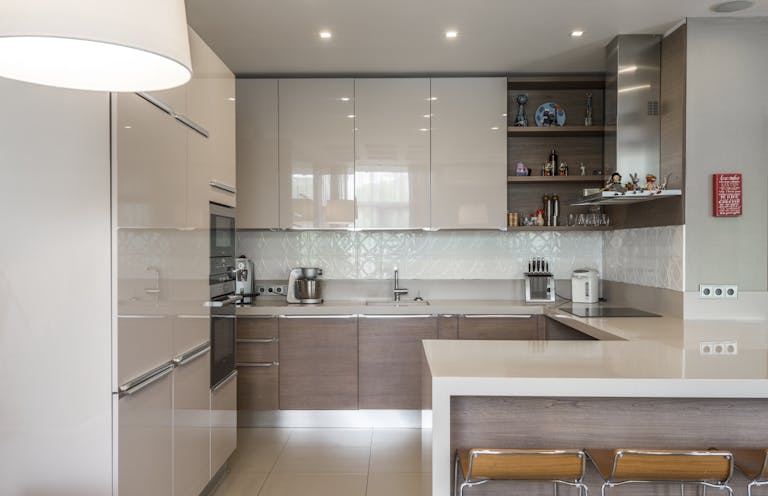
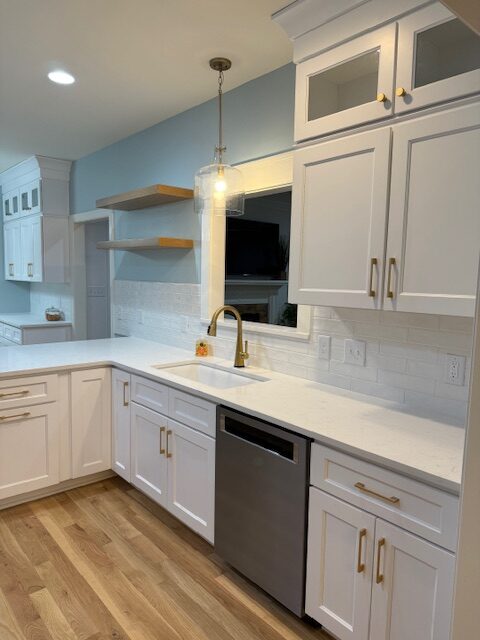
- Kitchen remodels: Upgrading cabinets, installing quartz or granite countertops, opening up layout to combine kitchen/dining, adding islands or breakfast bars.
- Bathroom renovations: Installing new tile, shower/tub enclosures, modern vanities, better lighting, or even reconfiguring layout for a “master bath suite.”
- Room additions: Expanding living rooms, building attached garages, or adding home offices / bonus rooms — especially as remote work becomes more common.
- Decks, porches & outdoor living: Wood- or composite‑decks, screened porches, pergolas — popular for families wanting to enjoy mild NC weather.
- Exterior upgrades: New siding, roof replacement, energy‑efficient windows/doors — often to improve curb appeal and reduce long‑term maintenance.
- Whole‑home renovations: For older homes, updating plumbing, electrical, flooring, HVAC, insulation — bringing older properties up to modern standards.
Each of these projects benefits from coordinated planning, quality craftsmanship, and oversight by a contractor who cares about durability, aesthetics, and long‑term value.
What It Costs — A Realistic View (Locally Adjusted)
Because each project is unique — size, scope, layout, materials — there’s no one “price tag.” But here’s a rough guideline based on common project types in Johnston County:
- Minor remodel or refresh: e.g. re‑painting, replacing fixtures, minor repairs — typically a few thousand to mid‑five figures.
- Mid-range remodel (kitchen/bath, cosmetic + functional upgrades): Often runs in the low‑ to mid‑five‑figure range, depending on materials.
- Major remodel or addition (structural changes, layout rework, new finishes): Could run five- to six‑figures — especially if you want custom cabinetry, premium materials, structural modifications, or high-end finishes.
- Decks / porches / small additions: Usually more affordable than full remodels, but cost depends heavily on size, materials (wood vs. composite vs. concrete), and complexity (e.g. enclosed porch, screened-in, with built-in lighting).
Important: Always plan for a 10–15% contingency in your budget. Even well‑planned jobs run into surprises: unexpected plumbing or wiring issues, hidden damage behind walls, or local permit delays. A buffer protects you — and prevents disputes with your contractor.
How a Local General Contractor Makes Remodels Risk‑Free for Homeowners
A top‑tier local general contractor brings value beyond just finishing the job:
- Transparency & clear pricing up front. You know what you’re paying for — materials, labor, permits, cleanup. No shady add‑ons after the fact.
- Project management & timeline discipline. From demolition to final inspection, they plan and coordinate. You’ll know when to expect each milestone — demo, rough‑ins, finishes, final walkthrough.
- Quality control throughout the job. Inspections at each stage — structural, electrical, plumbing — to meet local safety codes and best‑practice building standards.
- Warranty and accountability. Reputable contractors stand by their work. If something breaks or leaks after completion, they return and fix it — not you.
- Minimized disruption to homeowners. Instead of you juggling multiple trades, ordering materials, scheduling inspectors — your contractor handles all of it so you can focus on daily life.
Choosing the Right Contractor — What to Ask & Look For
To avoid being burned, use this checklist when evaluating potential contractors:
- Are they licensed and insured? Ask for proof — builder’s license, liability insurance, workers’ comp. A legit contractor will happily show you.
- Do they have local references? Ask for a few recent jobs nearby. Bonus if they provide before/after photos or contactable homeowners.
- Can they provide a detailed scope & written estimate? It should spell out materials, labor, timeline, permits, cleanup, change‑order process, and payment schedule.
- Will they handle permits and inspections? That’s critical — you don’t want to risk code violations or unpermitted work.
- What’s the payment & schedule structure? Avoid contractors who demand large upfront payments. Instead, payments should align with milestones (e.g. deposits, after rough‑in, before finishes, final payment on completion).
- How do they communicate and coordinate? Reliable contractors anticipate problems, communicate delays, and keep you updated — not dodge calls or show up late.
Why Now Is a Smart Time for Homeowners to hire a General Contractor in Johnston County
There are several factors making home remodeling more attractive in Johnston County today:
- Mature homes needing updates. Many houses built decades ago have aging electrical, plumbing, flooring, or layouts that don’t match modern life. Remodeling updates them to today’s standards — often without the higher cost of building new.
- Rising property values. Renovations — especially kitchens, bathrooms, and exterior upgrades — tend to boost resale value and appeal if you ever decide to sell.
- Lifestyle changes. Families are rethinking space: needs for home offices, bigger kitchens or laundry rooms, outdoor living areas, accessibility upgrades as homeowners age.
- Cost and hassle savings vs. moving. Selling and buying another home involves realtor fees, closing costs, moving logistics — often more trouble and expense than simply remodeling what you already own.
What to Expect — The Typical Remodeling Timeline
While every project is different, here’s an approximate timeline of how a typical home remodel flows when you work with a professional general contractor:
- Initial consult & design planning (1–2 weeks): Discuss your goals, review the existing space, choose initial layout ideas and finishes.
- Written proposal & scope (1 week): Contractor drafts a detailed estimate and timeline.
- Permitting (2–6 weeks, depending on complexity): Submit plans, await approval. Local contractors typically know Permit Office turnaround times.
- Construction — Phase 1 (demolition & rough‑in, 1–2 weeks): Remove old finishes, run plumbing/electrical framing adjustments.
- Construction — Phase 2 (structural work, framing, drywall, windows/doors): Typically 1–3 weeks depending on scope.
- Construction — Phase 3 (finishes: flooring, cabinetry, trim, paint, fixtures): 2–4 weeks, depending on material availability, custom cabinetry lead times, and complexity.
- Final inspection & punch‑list (few days): Walkthrough, address any minor issues, final clean‑up.
- Final hand‑off: You get the keys to your improved, repair-ready home.
For larger projects or full room additions, timeline will expand accordingly. A properly managed project still beats the chaos of uncoordinated DIY or “handyman‑hopping.”
How You Can Maximize Value — Smart Homeowner Moves
To get the most from your remodel — longevity, resale value, daily enjoyment — focus on the following:
- Invest where it counts: Quality cabinetry, moisture‑resistant materials, energy‑efficient windows/doors, durable flooring. Opt for finish selections that age well over decades (neutral colors, classic lines, timeless fixtures) rather than “trendy” that might look dated in 5–10 years.
- Plan for future life stages: Think long-term: aging in place, resale, accommodating family growth. Maybe build for more storage, wider doorways, or flexible rooms that could serve as offices or bedrooms later.
- Balance budget and scope carefully: A contractor’s written estimate should help you allocate money thoughtfully — making the most important upgrades without overspending.
- Communicate clearly and frequently: Good results come from clear and honest communication: priorities, budget limits, must-haves vs. nice-to-haves. Let your contractor know what you expect from the start.
- Think of the remodel as an investment — not a “one‑time project.” Every dollar you spend should add value over time: less maintenance, increased home value, improved comfort, energy savings, peace of mind.
How Working with a Trusted Local General Contractor Reduces Risk & Stress
Remodeling is emotional. It’s your home, possibly your biggest investment. It’s where your family eats, sleeps, laughs, and lives its daily life. Hiring a trustworthy, local general contractor gives you peace of mind:
- Professionalism. You’re working with licensed, insured professionals who care about their reputation.
- Reliability. You’ll know exactly when workers are arriving, what they’re doing, and when they’ll leave. You won’t wonder if a subcontractor will show up.
- Accountability. If something isn’t done right, or if there’s a problem down the road, your contractor is responsible — not you.
- Value preservation. By using proper materials, techniques, and finishes, your remodel will age gracefully, resist wear from humidity and daily life, and stay appealing for resale.
- Stress reduction. You won’t be juggling multiple vendors, chasing down material orders, coordinating inspections — the contractor handles all that, freeing you to focus on your family and daily routine.
What You Should Do Next — Before Calling a Contractor
If you’re considering remodeling, here’s a brief pre‑contact checklist:
- Sketch out your must-haves: What do you really want to change? More storage? Better layout? Extra living space?
- Set a realistic budget range — include a contingency buffer (10–15%) for the unexpected.
- Prioritize your needs vs. wants: Identify things you can live without vs. things that matter long-term.
- Gather photos — of your current space and inspiration images. Helps you communicate clearly.
- Be ready to ask a contractor about their licensing, insurance, recent local work, timeline, payment terms, and how they handle changes or delays.
By doing this homework, you’ll have a solid foundation to vet contractors and get a proposal that matches your goals.
Final Thoughts — Why a General Contractor in Johnston County Is Worth It
Working with a qualified, locally based general contractor in Johnston County isn’t just about getting a remodel done. It’s about investing in the future of your home — in comfort, resale value, and peace of mind. A trusted contractor brings experience, connections, quality control, and project management so you avoid headaches, costly mistakes, and delays.
If you’re ready to upgrade your home — whether that’s a refreshed kitchen, a new deck, a modernized bathroom, or a full-home renovation — then you owe it to yourself to start the process right: clear goals, realistic budget, and a contractor who treats your home like their own.
Now’s the time to take the first step. Reach out, schedule an in-home consultation, and get a clear, written plan for turning your house into your ideal (and lasting) home.

Whats keeping you from realizing your dream space?